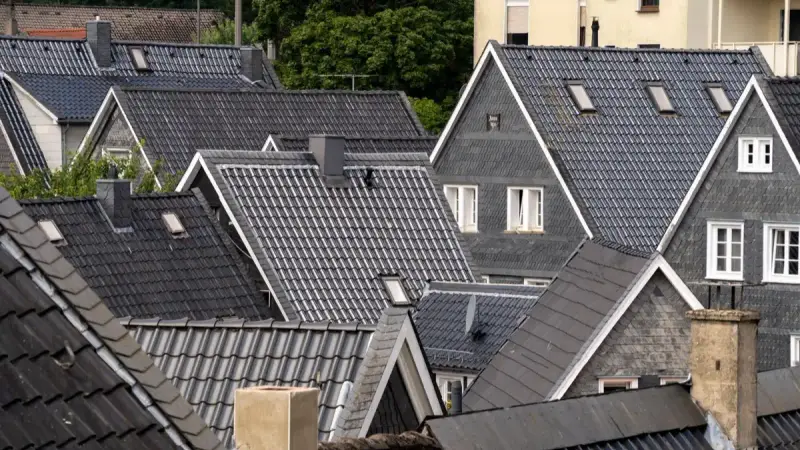
Revere Roof Pros: Roof Replacement, Flat Roofs and Leak Repair
Two-family, three-decker and small commercial roofing across Revere and the inner North Shore, priced to the correct code.
- ✓CSL class and HIC number printed on every estimate
- ✓We tell you which code your building falls under
- ✓Written scopes with quantities, not lump-sum numbers
- ✓Paid inspections, so the opinion is not a sales call
Revere is a city of two-families and three-deckers, and Massachusetts treats those two buildings as different animals. Under 780 CMR 101.2, one- and two-family dwellings may be altered to the Residential Code. A three-family may not. It is administered under the base code, alongside the storefronts and the schools, and the permit says so.
That single line reaches further than most owners expect. It decides which class of Construction Supervisor License may sign your permit, whether the roof covering carries a documented fire classification, whether the perimeter edge is a rated assembly, and how a bid should be written so that three of them can honestly be compared against each other rather than guessed between.
So the first thing we establish on any building here is the unit count, and the second is who lives in it. Everything after that follows: the code path, the license class, the scope, the paperwork and the price. We put all five in writing at the first visit, before anybody talks about materials, shows you a sample board or asks you for a deposit.
Why Revere Chooses Revere Roof Pros
- ✓We establish the dwelling unit count before quoting, because it decides the code path, the license class and the paperwork, and most bids in this city never mention it at all.
- ✓Our estimates carry the Construction Supervisor License number and its restriction class, so you can check that the person signing your permit is actually allowed to sign it.
- ✓We write scopes with quantities and fastener patterns so you can take our document to two other roofers and receive numbers that describe the same roof.
- ✓Inspection fees are billed and stay billed, never netted off a later job, because that is the only way to be certain the report you receive is an opinion and not a pitch.
- ✓We refuse work we think is wrong for the building, including tile on framing cut for wood shingle, and the reasoning goes to you on paper instead of a polite refusal at the door.
- ✓On tenanted buildings we treat water intrusion as a habitability matter, tarping the same day and documenting the failure before it disappears under a cover.
About Revere Roof Pros in Revere, MA
We are roofers who work on the buildings this city actually contains: two-families, three-deckers, six-unit blocks and the small mixed-use buildings along the main roads. That stock is why we organize everything around unit count. It is the single fact that decides which code book applies, which license class signs the permit and what a fair bid looks like.
We think most roofing problems here are documentation problems wearing a hat. An owner gets three prices that describe three different roofs, picks the low one, and finds out afterward that it was low because it left out the deck, or the edge metal, or the permit. So we write scopes with quantities in them and encourage you to take ours to other contractors.
Some work is not ours to take. A roof with years left in it that needs a pipe boot and a gutter clean should cost you an inspection fee here and a couple of hundred dollars to somebody else. If you want tile on a building that was framed for wood shingle, we will decline. And if your building is genuinely a two-family, do not buy commercial process from anyone, us included.
Our Roofing Services in Revere, MA
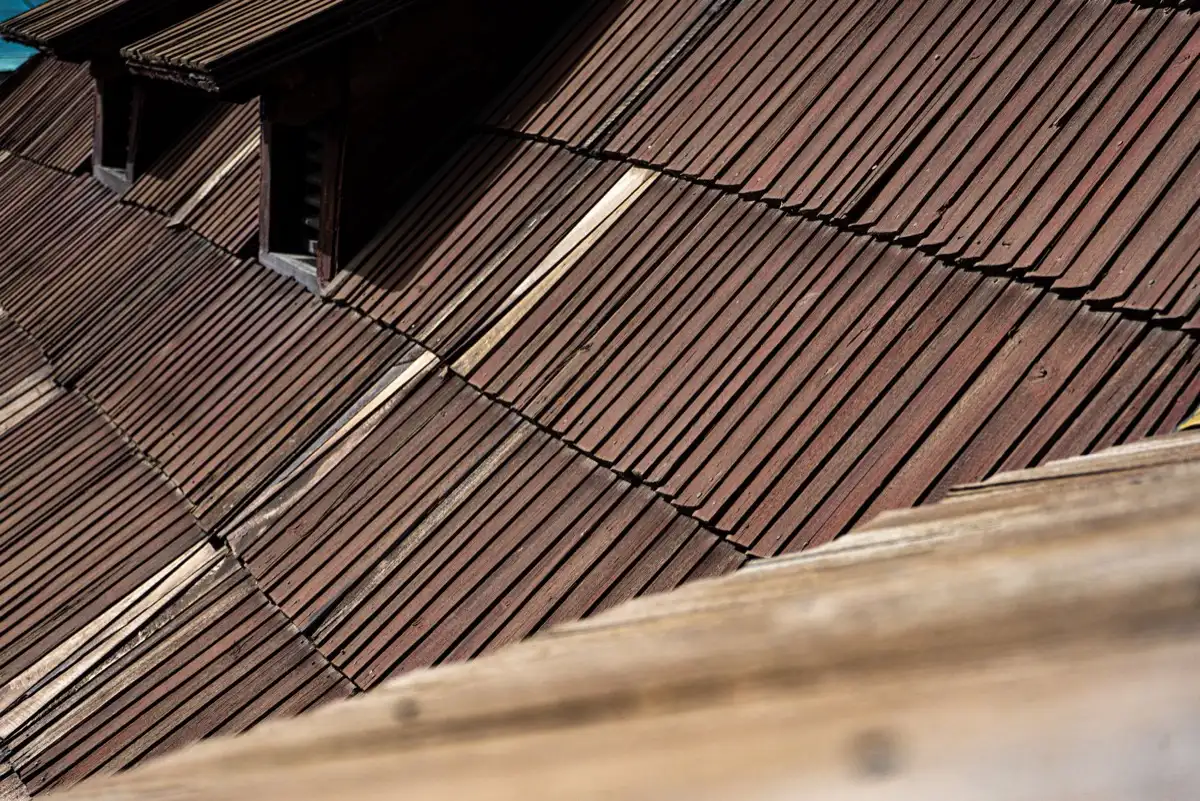
Roof Replacement
Before we price anything we ask how many dwelling units the building holds. That single answer decides which code book governs the work, which class of Construction Supervisor License may sign the permit, and how the roof gets built.
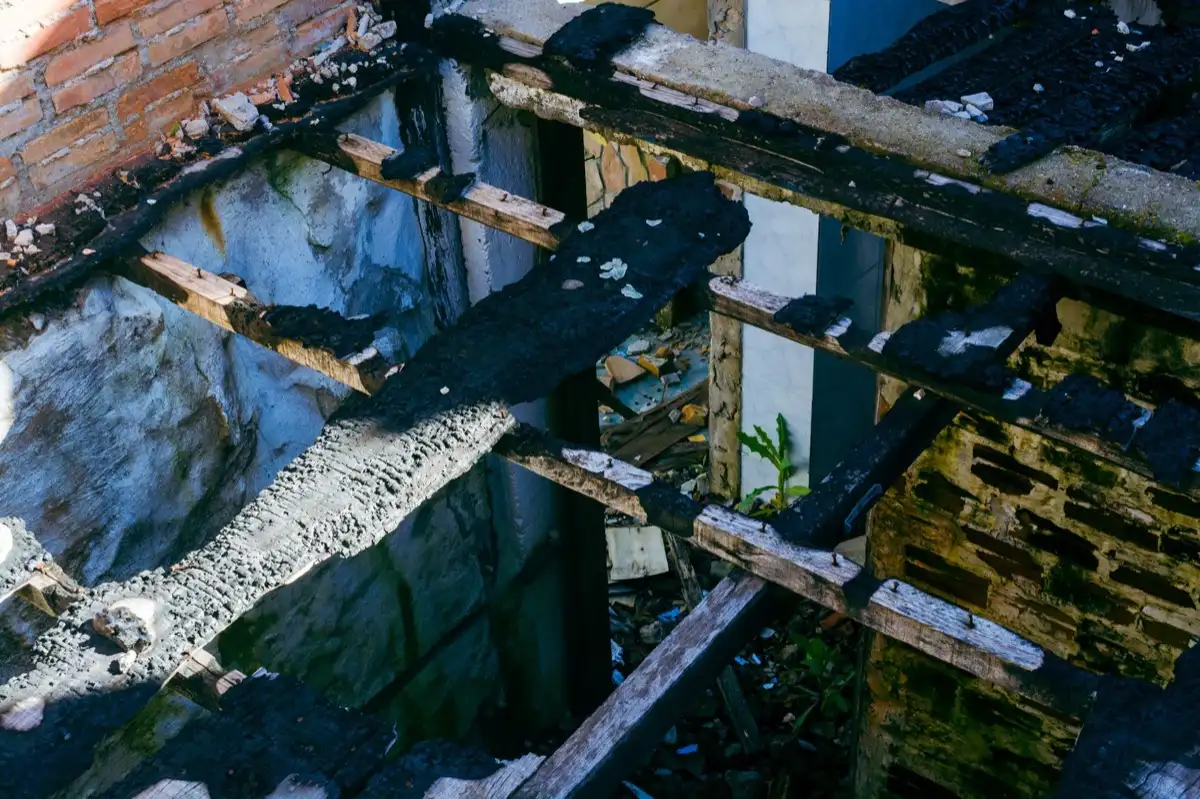
Roof Leak Repair
Leak calls here reach us at second hand almost every time. Somebody on the top floor notices a stain, mentions it to the owner a week later, and the owner rings us.
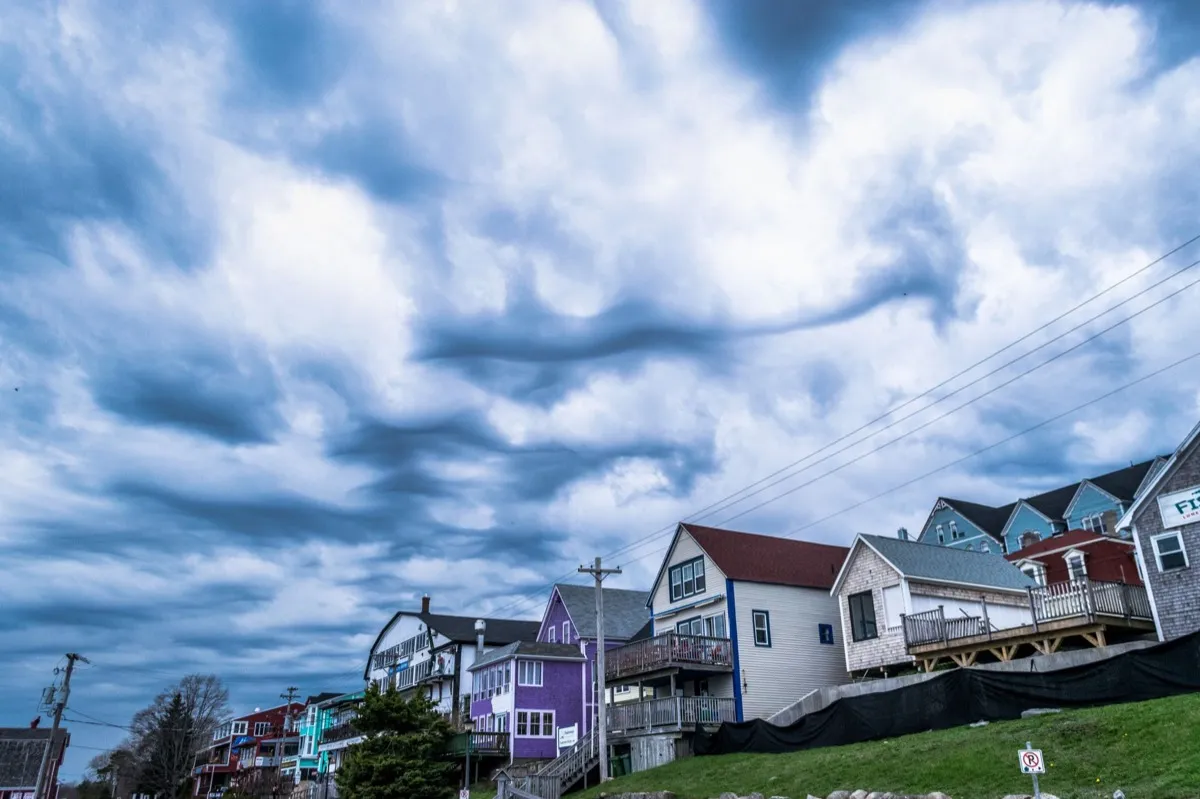
Storm Damage Restoration
Storm work here splits along the same line everything else does. Repair a two-family and you stay inside the Residential Code.
Hail Damage Roofing
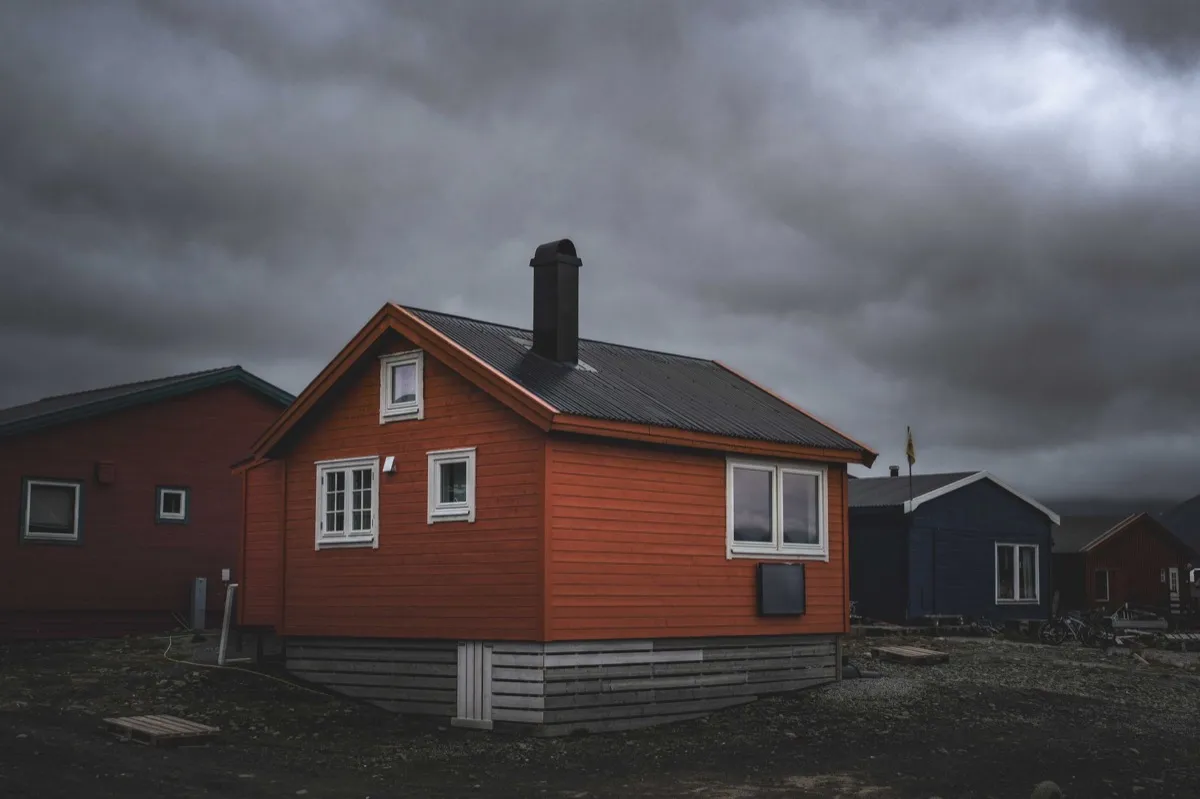
Consider this page an argument for spending less. Hail does occur here, but severe hail rarely reaches this shoreline, and most of what gets reported to us as hail on a Revere roof proves to be blistering, mechanical scuffing or ordinary granule loss with age.
Wind Damage Roofing
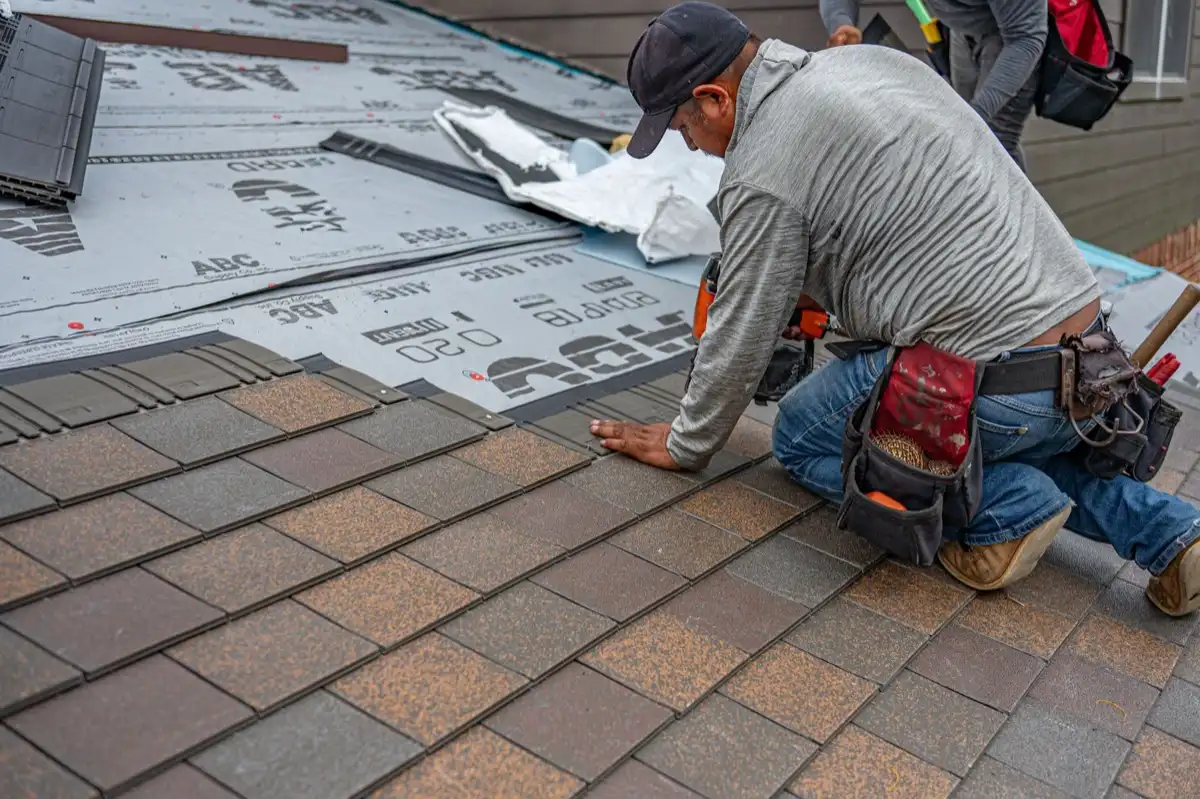
Wind takes these roofs apart from the edges inward, and the edges are where the two code paths differ most. A low-slope three-family deck is base-code work, and its perimeter edge metal is a tested and rated component.
Roof Inspections
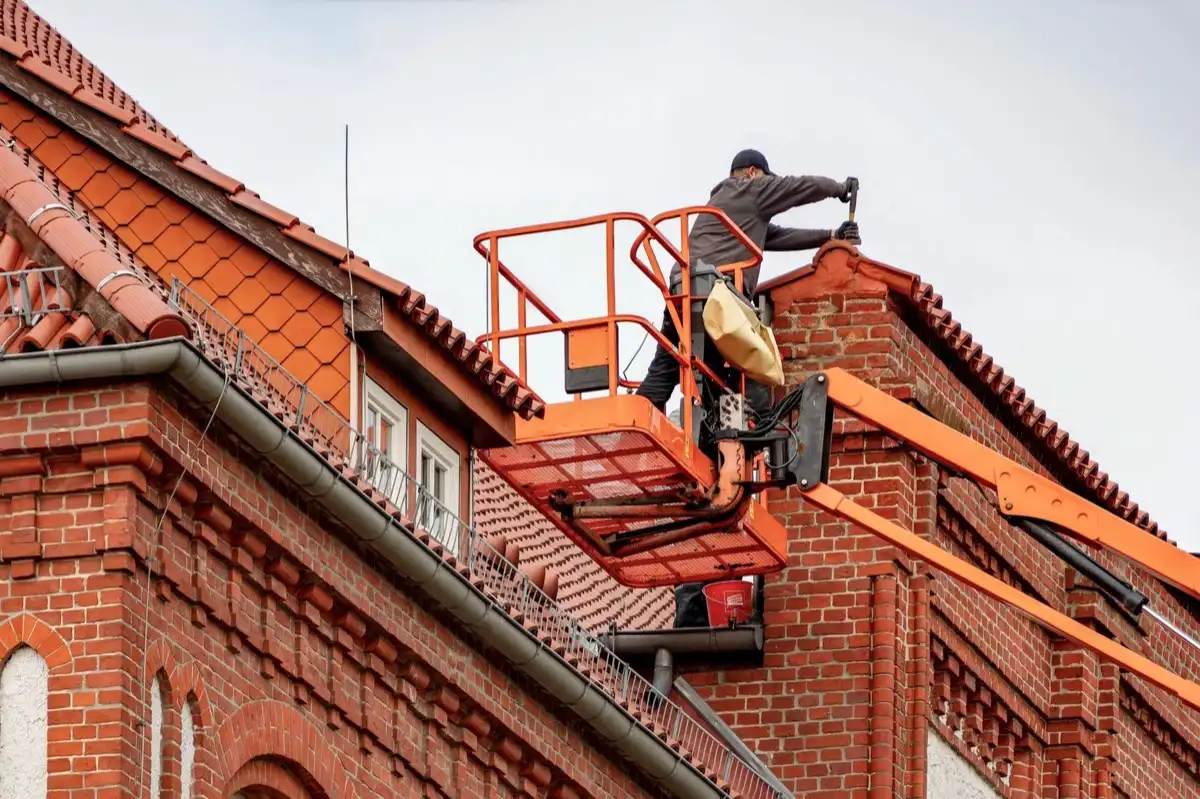
An inspection that never establishes the unit count is not an inspection of your building, it is an inspection of a roof. Unit count decides the code path, the license class and the remedies open to you, so it is the first line of our report.
Asphalt Shingle Roofs
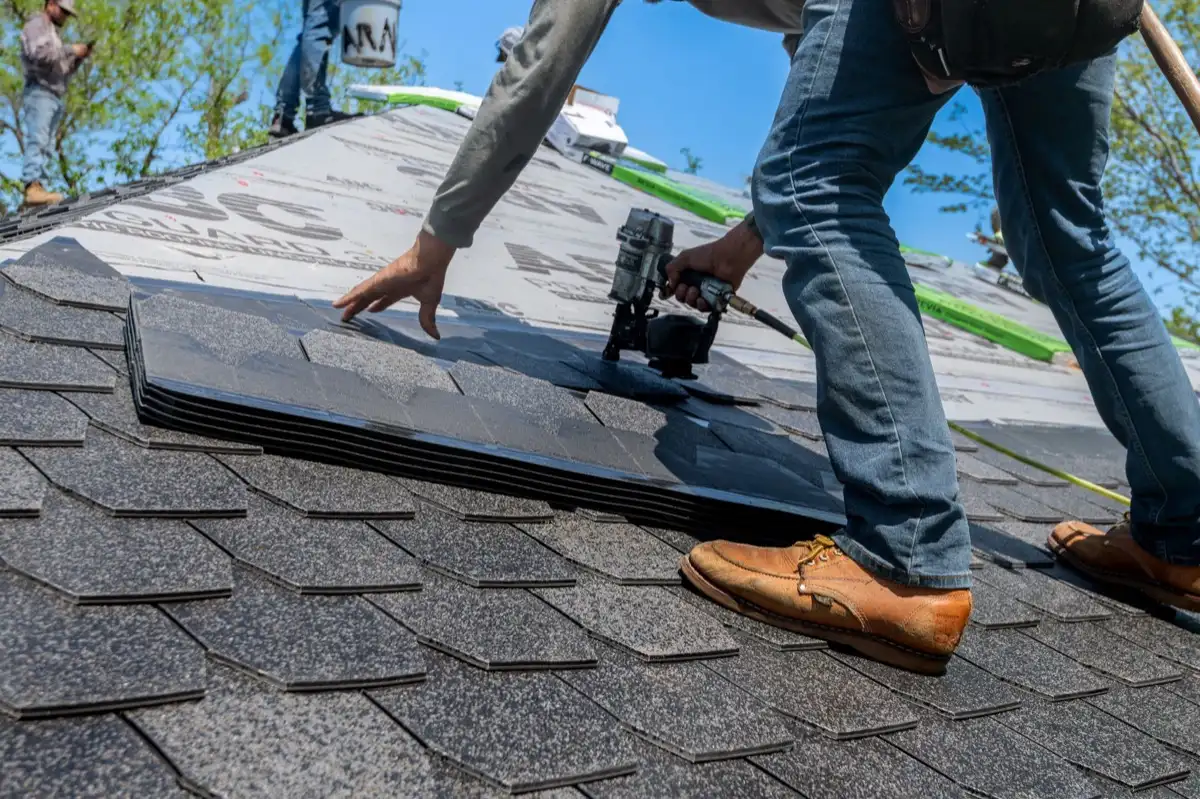
Shingles are the right answer on most of this city's two-family stock and the wrong answer on much of its three-family stock. The deciding factor is slope rather than taste: below two units of rise in twelve of run, a shingle is not a permitted roof covering, whatever anyone quotes.
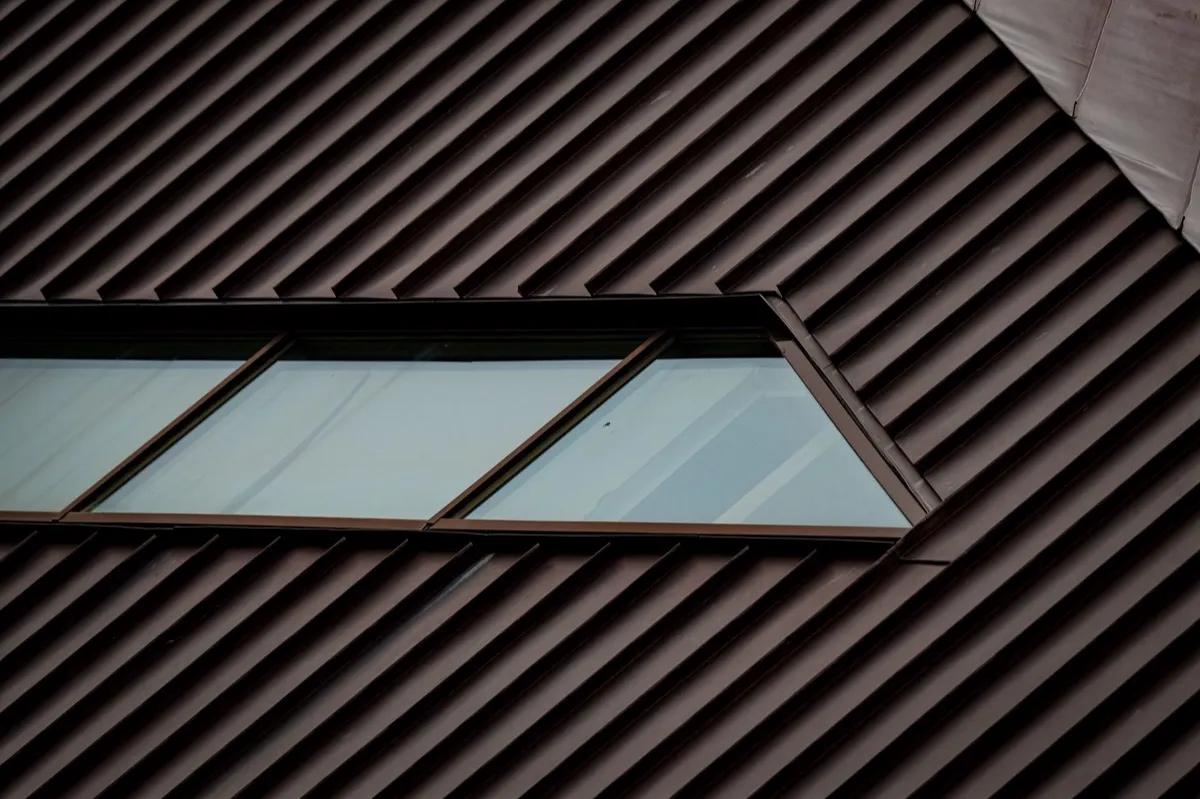
Metal Roofing
We install standing seam, and we also spend a fair amount of time arguing owners out of it. In this city metal usually gets proposed for the part of the roof that is not leaking.
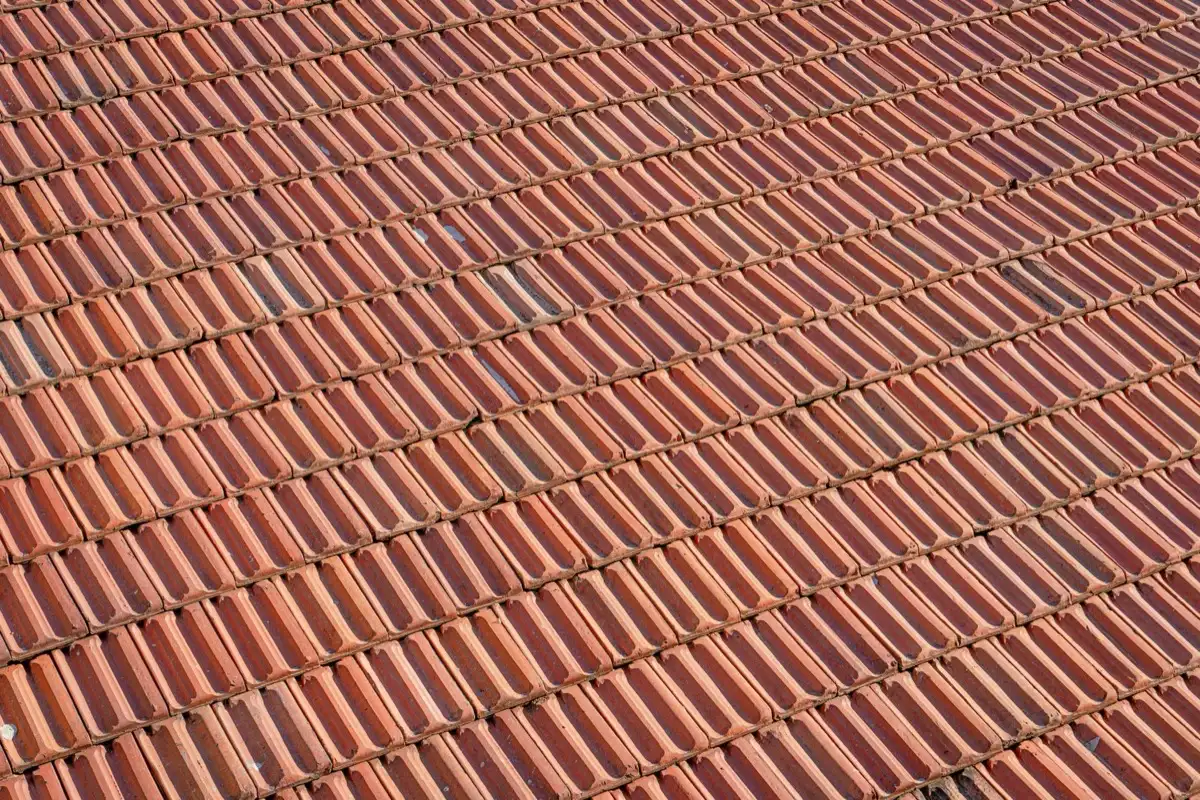
Tile Roofing
Consider this an argument against the product. If you own an ordinary two-family or three-decker here and you are weighing up clay or concrete tile, our advice is to put the money somewhere else, and what follows is the reasoning rather than a workaround.

Flat & Low-Slope Roofing
On most of this city's three-family housing the low-slope deck is the roof. It is not a rear addition or an afterthought.
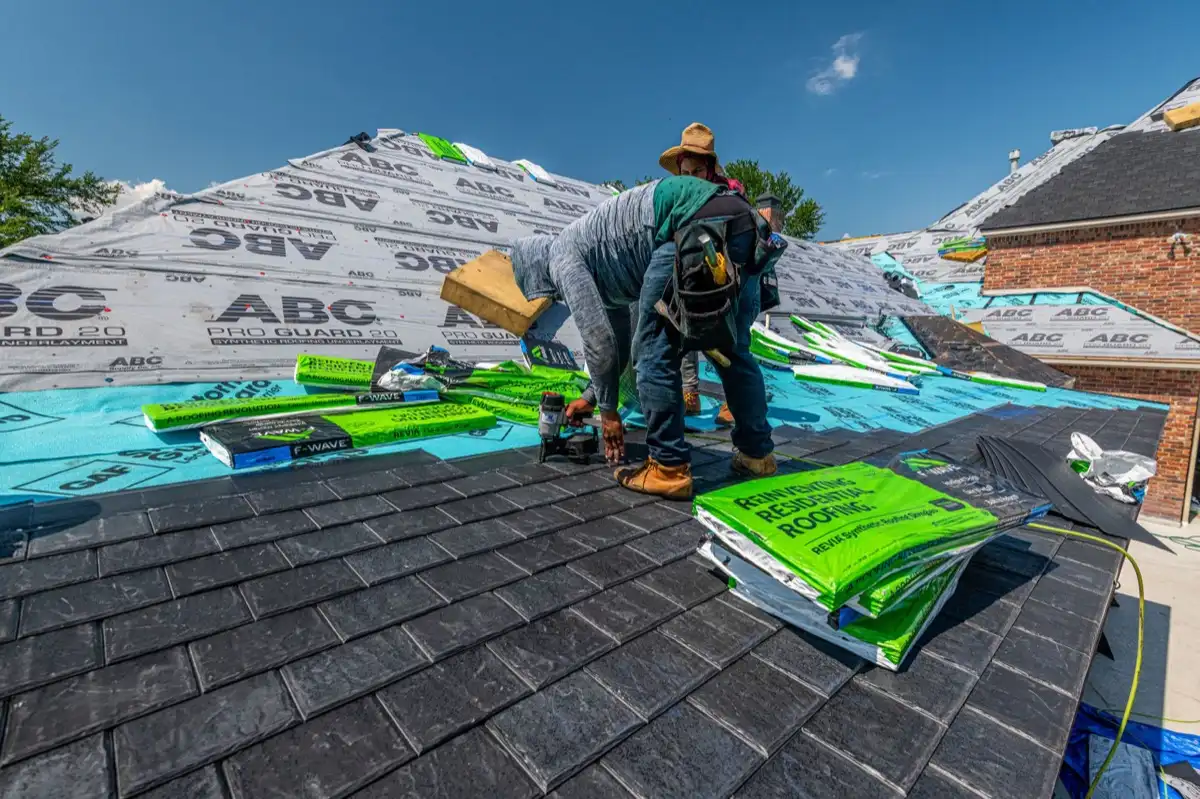
Roof Coatings & Sealing
Coatings score better here than they do in most places, and the reason has nothing to do with weather. It is occupancy.
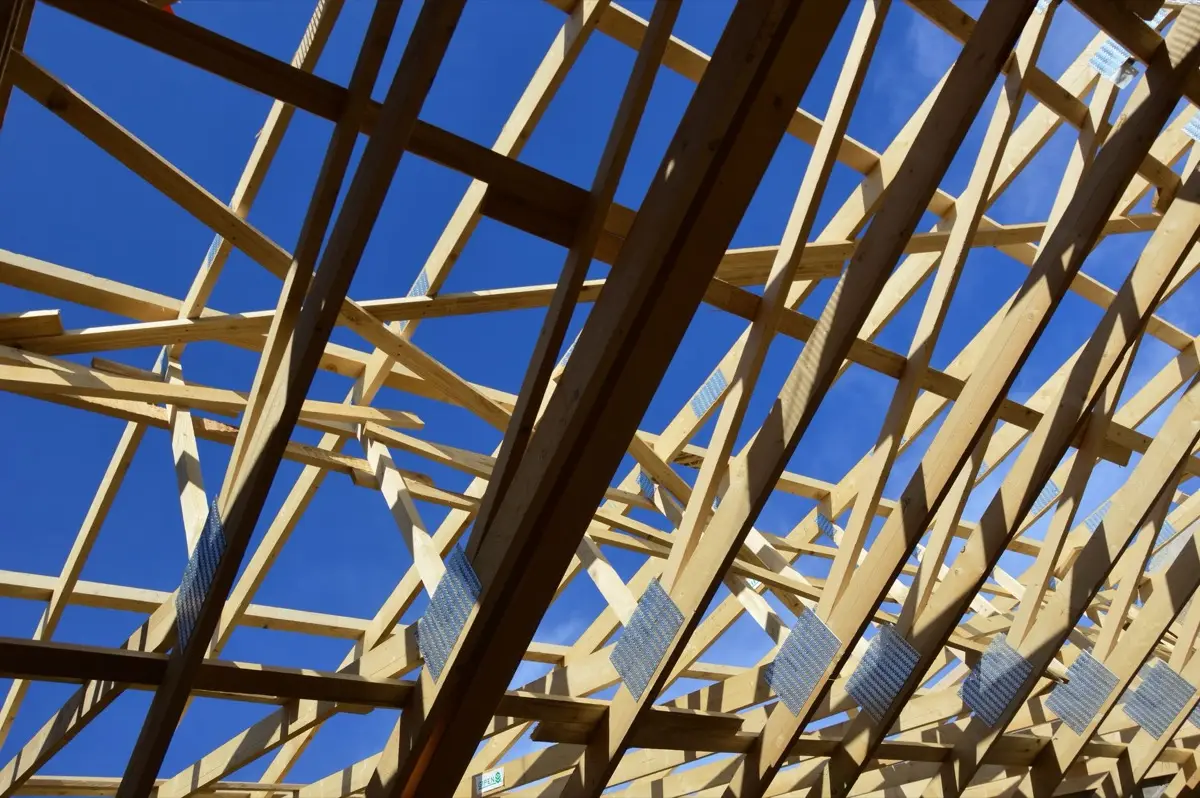
Roof Ventilation
The ventilation arithmetic everybody quotes is residential-code arithmetic, and a great many buildings here are not under the Residential Code. If yours holds three or more dwelling units, the ratio you were told about on the phone is not the rule your permit is being judged against.
Skylights
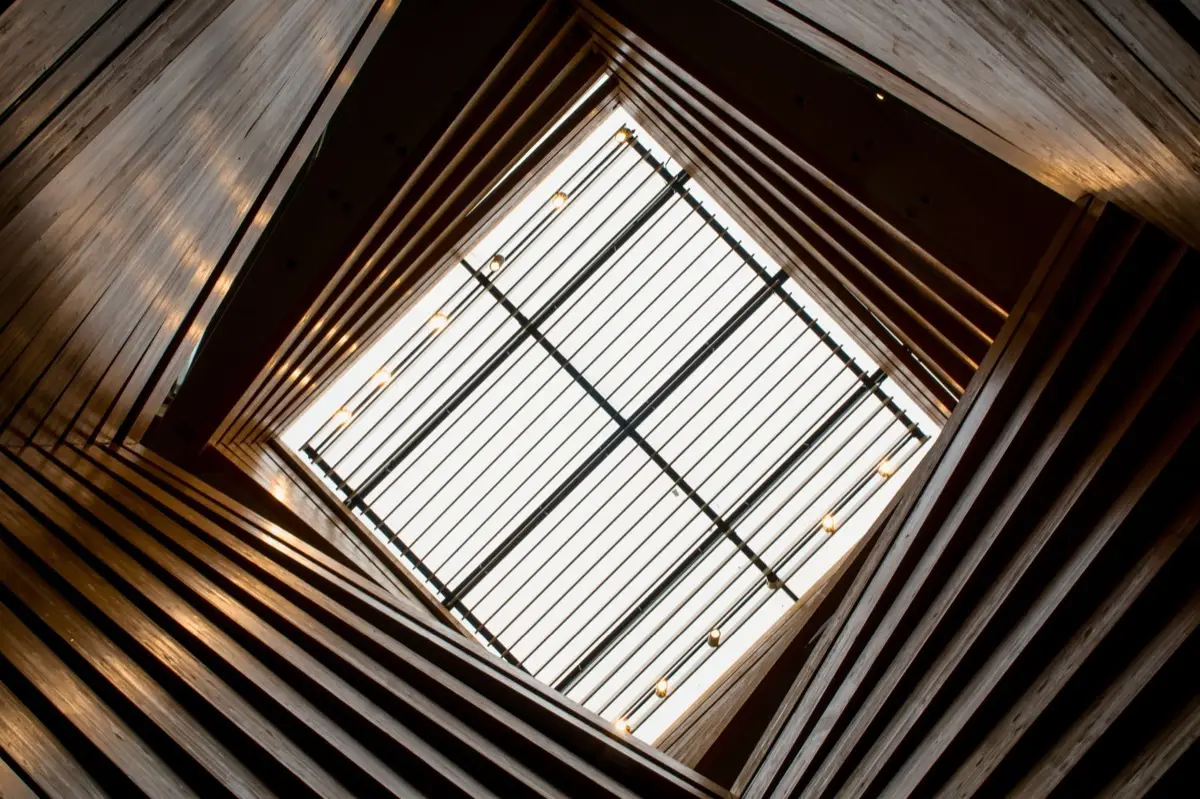
The most common skylight in this city is not in anybody's kitchen. It is the old glazed opening over a common stair hall in a two- or three-family, put there to light a windowless stairwell, and it is usually the oldest unrepaired thing on the entire building.
Fascia & Soffit
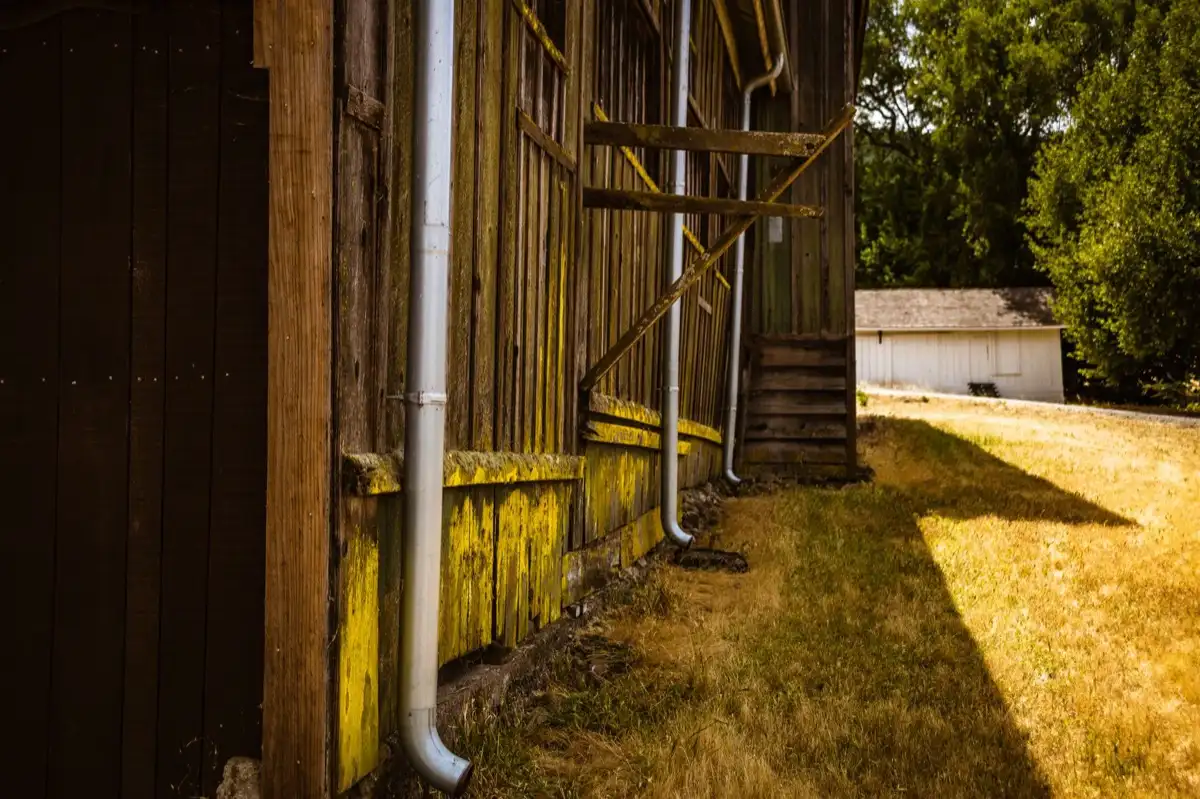
These two- and three-family houses carry far more exterior trim than their square footage suggests. Bracketed cornices, boxed eave returns, rear porch stacks three stories high and the deep overhangs on a mansard all add up, and each one is a place where a small water problem becomes carpentry.

Chimney Flashing
Chimneys cause more leaks on these roofs than any other single detail, and many of the chimneys causing them are doing no work at all. Conversions to gas and to modern venting left these buildings with a brick stack running up through the roof purely out of habit.

Commercial Roofing
In this city commercial roofing starts at three dwelling units. That is not marketing language, it is simply what 780 CMR 101.2 does.

Insurance Claim Help
Documentation is what we provide. Acting as your adjuster is not.
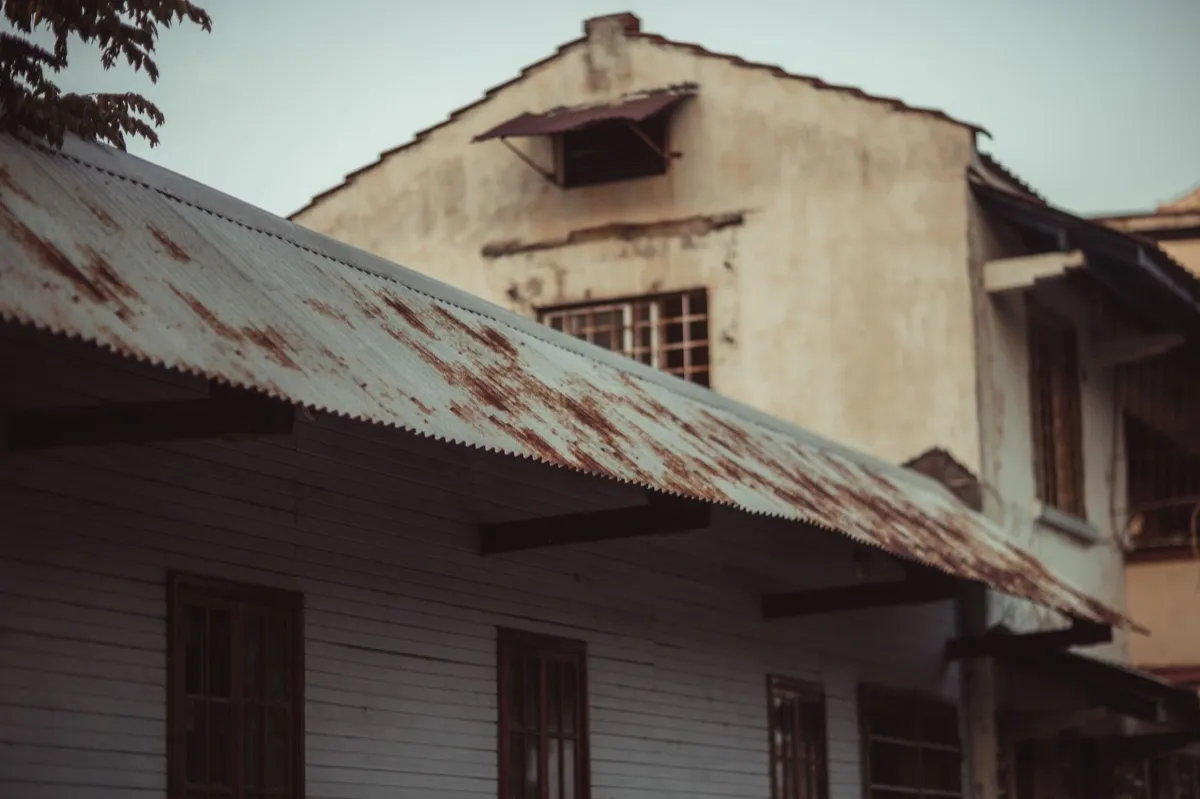
Commercial roofing here begins at three dwelling units
Because 780 CMR 101.2 restricts the Residential Code to one- and two-family dwellings, a three-decker is administered as a commercial building. We treat it that way: wind-tied fastening patterns, rated perimeter edge, documented fire classification, a real drainage plan and a permit signed by an unrestricted supervisor. The same process covers the mixed-use blocks, halls, garages and service buildings across the inner North Shore.
- ✓Three-family and larger residential buildings under the base code
- ✓Mixed-use blocks with retail below and apartments above
- ✓Written specifications you can bid out to other contractors
- ✓Tapered insulation designed to a measured drainage plan
- ✓Rated perimeter edge assemblies with submittals kept on file
- ✓Occupied-building sequencing that keeps every tenant dry nightly
- ✓Egress routes and fire escapes kept clear throughout the work
- ✓Closed-out permits handed over with the warranty documents
Recent Projects Across Boston's inner North Shore
Full gallery →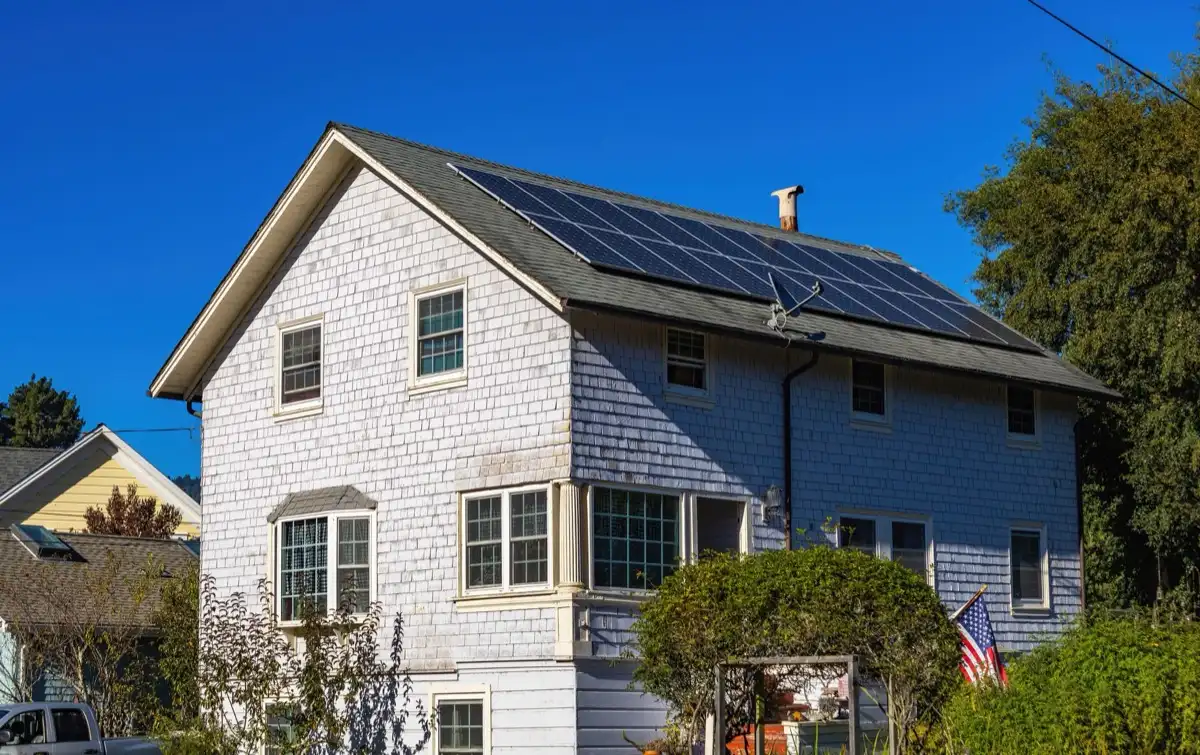
How It Works
- Establish the unit count first. We confirm how many dwelling units the building holds and record it, because that determines whether the work runs under the Residential Code or the base code. It also determines which Construction Supervisor License class may sign the permit. Everything in the quote flows from this one line, so we settle it before anything else.
- Survey every plane on the roof. Three-deckers hide a low-slope main deck behind a steep street face, so a survey from the sidewalk misses the roof that matters. We get on every plane, probe the deck, check the drainage and photograph what we find, keyed to a plan you keep. Cores get cut where a recover is under discussion.
- Write a scope you can bid out. You get quantities, materials, fastener patterns and a stated license class rather than a lump sum. That is deliberate. A scope written this way lets you take it to two other contractors and get numbers that describe the same roof, which is the only way a low bid tells you anything useful.
- Permit, build, close it out. We pull the permit under the correct class, sequence the work so occupied units stay dry every night, and leave the building watertight at the end of each day. When it is finished we get the inspection signed off and hand you the closed permit, the warranty and the manufacturer registration together.
What Revere Customers Say
First contractor who asked how many units the building had. Turned out our three-family needed a different permit class than the other two bids assumed. The membrane deck went on in three days and the tenants never lost a night.
Paid for an inspection expecting a sales pitch and got a four-page report saying the roof had eight years left and needed a boot replaced. They did the boot for under three hundred and left it there.
Water came through the top-floor ceiling on a Sunday. Tarped the same afternoon, photographed everything before covering it, and did not try to sell me a whole roof while I was standing there in the rain.
They talked me out of tile on my two-family and explained the weight problem with numbers instead of adjectives. Went with a heavyweight laminate, looks right from the street, and the framing never came into it.
Service Areas
Revere Roof Pros serves Revere, MA and surrounding communities including:
Frequently Asked Questions
Is my Revere building under the residential code or the base code?
Count the dwelling units. Under 780 CMR 101.2, only detached one- and two-family dwellings and townhouses of three stories or fewer may be altered to the Massachusetts Residential Code at 780 CMR 51.00. A three-family is not eligible, so it falls under the base code with commercial buildings. That changes the permit path, the documentation and the license class required, and it is the first line of every report we write.
What is the difference between a CSL and an HIC registration?
They are two different things from two different laws. The Construction Supervisor License is a license issued to a person by the Board of Building Regulations and Standards under Chapter 143, and the building code is what requires it.
Home Improvement Contractor registration is held by the business and entered on a public register the Office of Consumer Affairs and Business Regulation maintains. Chapter 142A is the statute behind it, and that is consumer law rather than building law. A roofer working on your house should hold both, and they are not interchangeable.
Can I put asphalt shingles on the flat part of my three-decker?
No. Below two units of rise in twelve of run, a shingle is not a permitted roof covering, and the main deck on most three-deckers is far shallower than that. The steep street-facing face can be shingled, and often is. The deck behind it needs a membrane. If a quote prices the entire building as a shingle roof, that is a reliable sign nobody got up there and looked.
My tenant reported a leak. How fast does this need to happen?
Fast. The state sanitary code requires dwellings to be kept watertight and protected from wind, rain and snow, so an open roof over an occupied unit is a habitability matter and not just a maintenance one. We tarp the same day where we can, document the failure before covering it, and keep the temporary work off the estimate for the permanent repair so the two are never confused.
Do I need a permit to reroof in Revere?
Yes, and the permit is our job to pull rather than yours. Under Chapter 142A a contractor has to tell you what permits are needed and take responsibility for obtaining them. Beyond the legal position it is simply better practice: a permitted roof leaves a closed-out record at the building department that a buyer, a lender or an insurer can look up later, and an unpermitted one leaves you explaining it.
Should I file an insurance claim for hail damage in Revere?
Usually not. Severe hail rarely reaches this stretch of shoreline. Most of what gets identified as hail here turns out to be blistering from an unvented assembly, scuffing left by foot traffic, or granule loss sitting under a downspout outlet. We will inspect and give you a written opinion at no charge. If it is not hail we say so, because a weak claim costs you a claims history and gets you nothing back.